TB-500 and Thymosin Beta-4 in Cardiac Repair Research: Blood Flow, Scarring, and Recovery Models
TB-500 and thymosin beta-4 are often discussed together, but the evidence should be read carefully. Cardiac repair research is strongest for thymosin beta-4 and recombinant Tβ4 models, with TB-500 best framed as a related fragment in early-stage research.
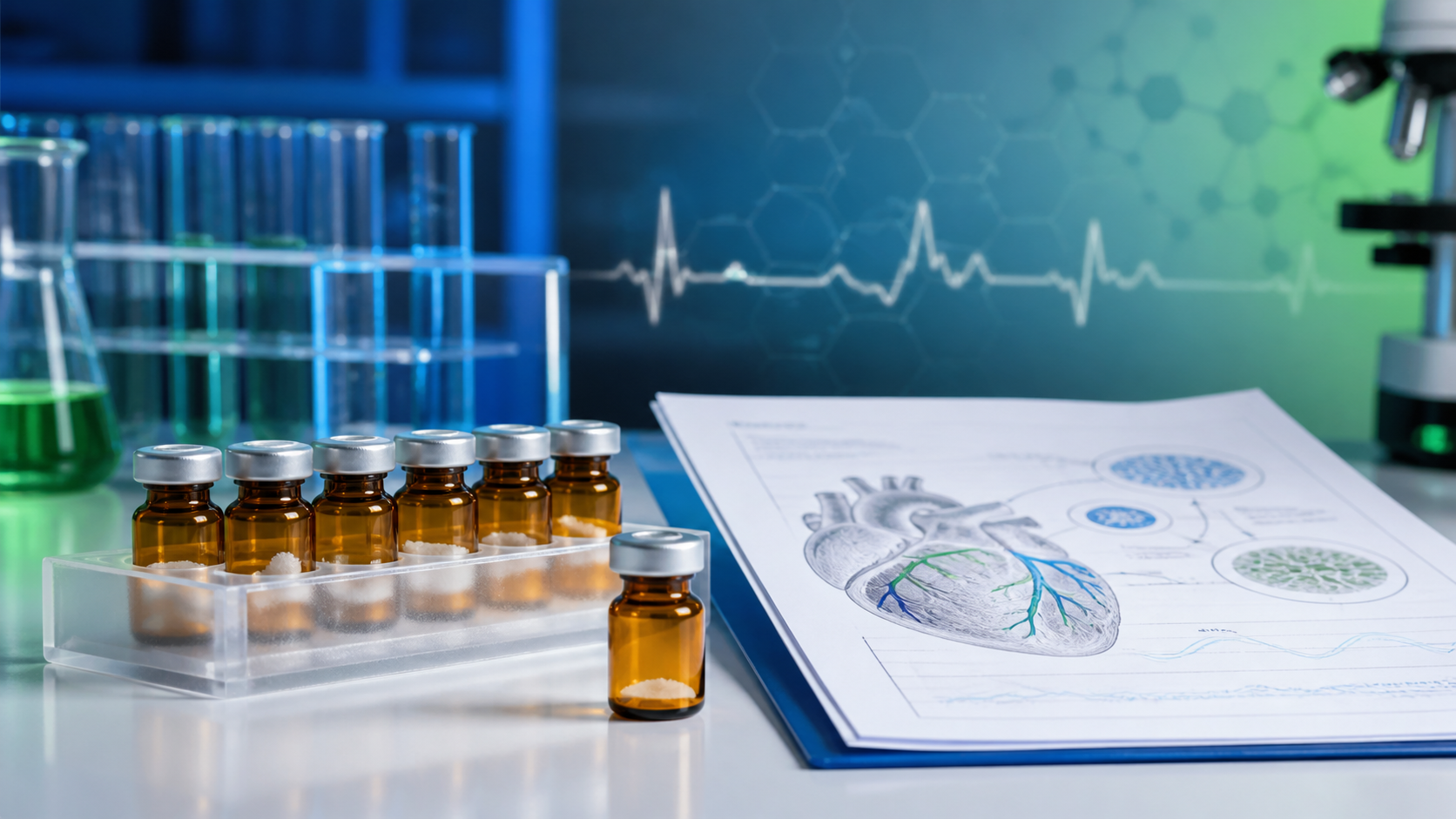
Cardiac Repair Pathway Research
TB-500 and Thymosin Beta-4 in Cardiac Repair Research
TB-500 and thymosin beta-4 are often discussed together, but the evidence should be read carefully. Cardiac repair research is strongest for thymosin beta-4 and recombinant Tβ4 models, with TB-500 best framed as a related fragment in early-stage research.
BetterBio Synthesis materials are sold for laboratory research use only. This article is educational content about TB-500, thymosin beta-4, and early cardiac repair pathway research. It is not medical advice, does not recommend human or veterinary use, and does not provide dosing, administration, treatment, prevention, cure, or efficacy guidance. Cardiac injury, heart attack, ischemia, and recovery concerns require licensed medical care. All compounds discussed must be handled only by qualified professionals in appropriate research settings.
Quick Read: What is being studied?
Early research examines blood-flow, angiogenesis, fibrosis, scar remodeling, cardiomyocyte survival, and recovery endpoints after cardiac injury models.
Why TB-500 and Tβ4 are not identical
Full-length thymosin beta-4 is a 43-amino-acid endogenous peptide. TB-500 is generally discussed as a synthetic fragment related to the actin-binding region, so evidence should not be blurred across molecules.